Roof Repair : Stop Leaks Fast and Protect Your Home
A practical guide to roof repair — learn the most common causes of leaks, when to DIY vs. hire a pro, what impacts cost, and how to prevent bigger damage with a simple checklist.
Stiven Martinez
3 min read
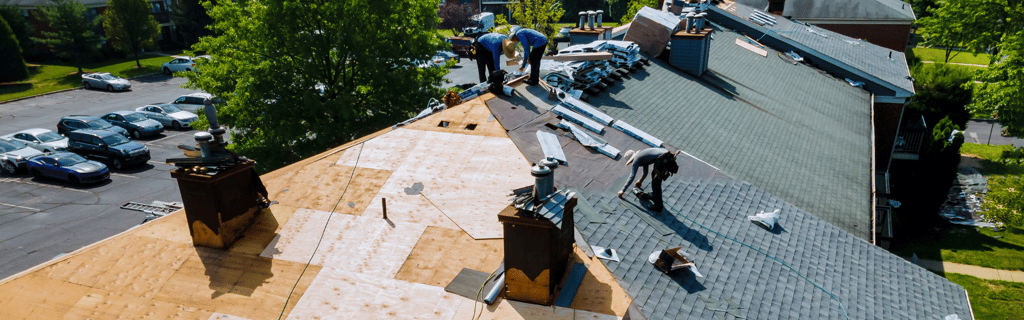
Roof problems never show up at a “good time.” They usually start with a ceiling stain, a drip during a storm, or shingles scattered after strong winds. NJ—where weather swings, heavy rain, wind, snow, and ice are common—the real pain isn’t just the leak. It’s the uncertainty: How serious is it? How much will it cost? Can it wait?
Here’s the reality: the longer you delay, the higher the risk of structural damage and the higher the bill.
Real problem
When a roof fails, the impact is immediate and stressful:
Water intrusion that damages drywall, insulation, flooring, and paint
Mold and moisture odors that can spread quickly
Unplanned expenses and disruption to daily life
“Temporary patches” that don’t solve the root cause—so the leak comes back
Most homeowners don’t mind paying for a repair—they mind paying twice because the problem wasn’t diagnosed correctly the first time.
Common causes
In most cases, leaks and roof failures come from critical weak points, not necessarily the entire roof. The most common causes we see in NJ area include:
Missing, cracked, or lifted shingles from wind or age
Flashing failures around chimneys, valleys, walls, vents, and skylights (one of the top leak causes)
Exposed or popped nails that create entry points for water
Worn sealant around pipe boots and roof penetrations
Clogged gutters/downspouts leading to water backing up under shingles
Ice dams in winter that force water under the roof system
Poor attic ventilation causing condensation and hidden moisture damage
Previous repairs done incorrectly (wrong materials, poor prep, incomplete sealing)
Recommended solutions (DIY vs. Professional)
There’s a clear line here: if it’s minor and safe, DIY can help temporarily. If there’s active leaking, height risk, or unknown damage—go professional.
DIY (only for minor, safe situations):
Clear gutters and downspouts to stop water overflow
Inspect from the ground using binoculars and take photos
Apply a temporary roof sealant to a visible, accessible crack (short-term only)
Replace a single shingle only if you have safe access and proper tools
Professional (recommended in most cases):
Full inspection to identify the root cause, not just the symptom
Correct shingle replacement and sealing techniques
Flashing repair/replacement (chimneys, valleys, vents, skylights)
Roof penetration resealing with the correct components
Repair of rotted decking or wet insulation if damage has progressed
Assessment of ventilation and moisture control to prevent recurring issues
Storm-damage evaluation and documentation if needed
My strong recommendation: if you see water stains indoors or suspect hidden moisture, don’t gamble with patches—get a professional diagnosis.
Cost drivers (what increases or decreases the price)
Roof repair pricing is not just “roof size.” These factors drive cost in New Jersey:
Roof type and material (asphalt shingles, flat roof, metal, etc.)
Roof pitch/height and access (safety setup, labor time)
Location of the issue (valleys, chimneys, flashing zones cost more)
Extent of hidden damage (rotted wood, wet insulation, mold remediation)
Season and urgency (emergency calls vs. scheduled work)
Number of affected areas (single spot vs. multiple leak points)
Permit requirements (when applicable, depending on scope)
Best business advice: early repairs are usually predictable and affordable—late repairs can become structural projects.
Typical timeline
What homeowners can generally expect:
Inspection + diagnosis: 30–60 minutes
Estimate + repair plan: often same-day
Small repair (shingles/sealant/flashing spot fix): 2–4 hours
Medium repair (multiple areas/material replacement): 1 day
Structural repair (decking/insulation/moisture damage): 1–3 days
Weather dependency: rain, snow, or high winds may shift scheduling
Final checklist
If you notice one or more of these signs, it’s time to act:
Quick roof warning checklist
Ceiling stains or bubbling paint
Dripping during rain or after storms
Missing, curled, or cracked shingles
Granules collecting in gutters (shingle wear)
Musty odor in attic, closets, or upper floors
Soft drywall or damp insulation
Mold spots near ceilings or walls
Gutters overflowing or water pooling at roof edges
Winter ice buildup along roof edges (ice dam risk)
Schedule a roof inspection today. We’ll identify the root cause, recommend the most cost-effective repair, and help you prevent bigger damage—before it spreads.
Address
Elizabeth,
Nueva Jersey 07208
Contacts
+1 (973) 583-7798
info@riveraconstructionnj.com